How to Flush a Tank Water Heater, and When to Leave It Alone
Sediment shortens the life of a tank heater. Flushing helps, as long as the unit is in shape to be flushed.
October 14, 2026 · 4 min read
Every tank water heater collects sediment. Minerals in the water settle out when it is heated, and they fall to the bottom of the tank and pile up there. A thin layer is harmless. A thick one insulates the water from the burner or lower element, so the heater works harder for the same hot water, and it can cause popping or rumbling sounds as water forces its way through the layer. Flushing the tank removes that buildup. It is a job most handy homeowners can do, with some exceptions covered below.
What a flush does and does not do
A flush drains the tank through the drain valve at the bottom and washes loose sediment out with the water. It does not repair a leaking tank, fix a failed element or thermostat, or reverse corrosion inside the tank. Think of it as maintenance, the same category as changing a furnace filter. It keeps a healthy heater healthy. It will not rescue one that is already failing.
Water quality varies across the Upstate, so there is no schedule that fits every house. A heater that has never been flushed, makes noise when it heats, or gives out hot water more slowly than it used to is a good candidate. Asking a plumber how your own unit looks is better than following a calendar from a manual.
How to flush it, step by step
Start by turning the heater off. On an electric unit, switch off the breaker, because the elements must never run in an empty or partly empty tank. On a gas unit, turn the gas control to the off or pilot setting shown on the valve. Then close the cold water supply valve on the pipe feeding the top of the tank. Let the water cool for an hour or so first if the heater has been running, since the water coming out of the drain can scald.
Connect a garden hose to the drain valve near the bottom of the tank and run the other end to a floor drain, a utility sink, or outside to a spot that can take hot water. Open a hot tap somewhere in the house so air can enter the system, then open the drain valve. Water will flow out, and it will often be cloudy or gritty at first. That is the sediment leaving.
When the tank is empty, open the cold supply valve briefly with the drain still open. The incoming water stirs the bottom of the tank and pushes out what is left. Keep going until the water coming through the hose runs clear. Then close the drain valve, remove the hose, and leave the hot tap open. Let the tank fill fully until the tap runs a steady stream with no sputtering, then close the tap. Only then restore the breaker or relight the gas according to the label on the unit.
When not to flush it yourself
Leave the hose in the garage if the heater is leaking at the tank, shows rust at the base or around the fittings, or has water pooling underneath. Draining a failing tank will not help, and a leaking unit needs to be evaluated for replacement rather than disturbed.
Be cautious with an older heater that has never been flushed. Heavy sediment can clog a small drain valve so the water slows to a trickle, and an old valve can also fail to close again after you open it. A drain valve that drips afterward is now a repair job on a tank full of hot water. If the valve is plastic and brittle, or you cannot get it to move, stop there.
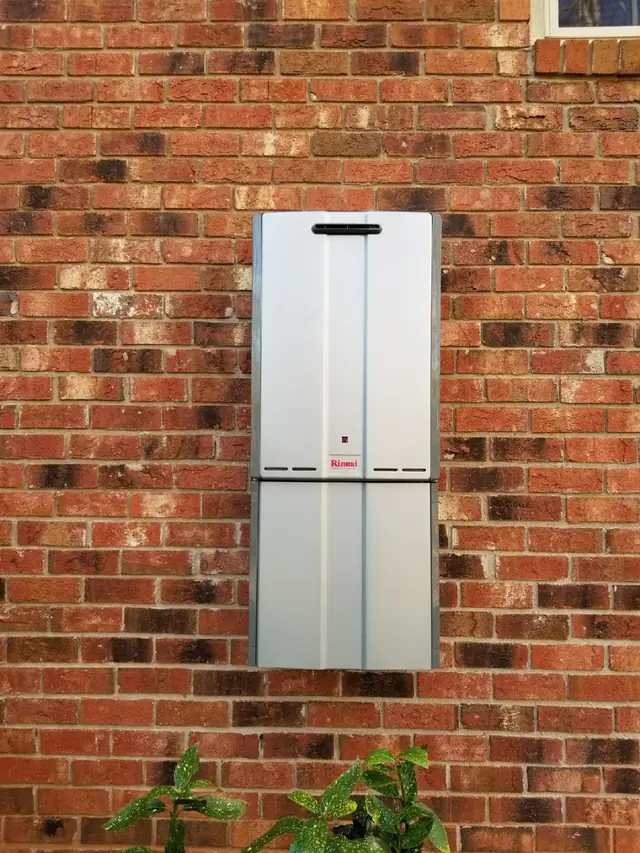
Do not flush a unit you cannot identify safely. A tankless heater has no tank to drain and is serviced differently, and a heater with a relief valve that has been discharging, a scorched look around the burner compartment, or any smell of gas needs a professional, not a garden hose. Gas smell means leave the house and call the gas utility.
- Water pooling under the tank or rust streaks at the base
- A drain valve that is plastic, corroded, or will not turn
- A relief valve that drips or has discharged
- A tankless unit, which is serviced differently
- Any smell of gas, in which case you leave and call the gas utility
The flush we offer for free
All About Plumbing SC offers Upstate homeowners a free water heater flush, covering one standard tank-style unit, along with a free 65-point whole-home plumbing inspection. The flush gets the sediment out, and the inspection means someone who works on water heaters every week looks at the unit, the shutoff valves, the supply lines and the visible drain lines while they are there. If something is worn or leaking, you get a free on-the-spot estimate, and nothing is started until you approve it.
That also takes care of the question of whether your heater is a candidate for flushing at all. If the tank is in poor condition, you hear that before anything is disturbed, and you can decide what to do about it without a surprise puddle on your garage floor.
To set up the free flush and inspection, call (864) 436-3006 or see the water heater page at /services/water-heater.
All About Plumbing SC, (864) 436-3006
Call (864) 436-3006More articles
A Burst Pipe in Your House: The First Ten Minutes
The order you act in matters more than how fast you clean up, and most of it can be done before a plumber arrives.
Sink Clog or Failing Drain Line? How to Tell the Difference
One slow sink is a clog. Several slow fixtures at once usually mean the line they all share.