Winter in the Upstate: Protecting Your Pipes From a Hard Freeze
Because deep cold is the exception here, many homes have exposed lines that no one thought about until the forecast turned.
October 14, 2026 · 4 min read
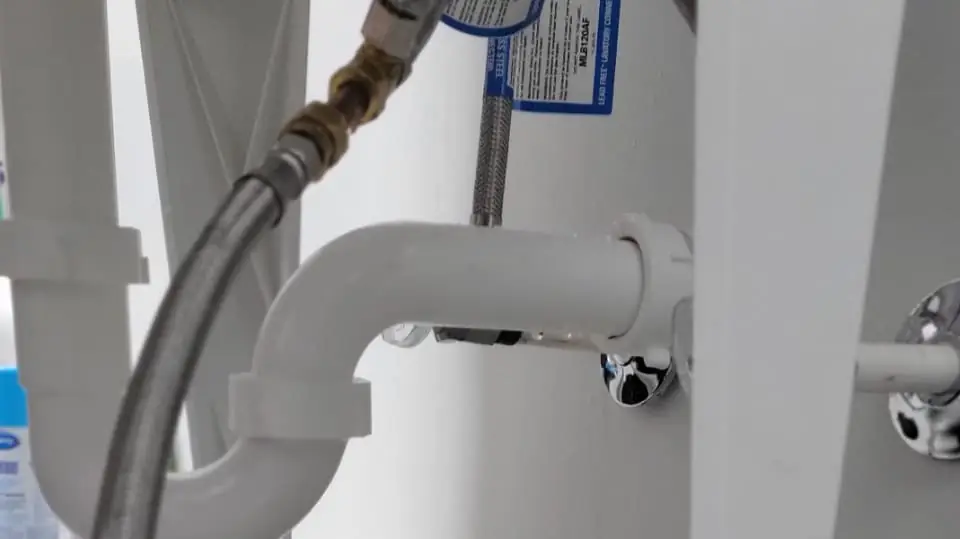
In the Upstate, most winters pass with little more than a few cold mornings. That is exactly why a hard freeze does so much damage when it comes. Homes here are often built with water lines in places that would never be a problem farther north: along an exterior wall, in a vented crawlspace, in a garage, or on an outside spigot nobody has touched since summer. When the forecast calls for temperatures to drop well below freezing and stay there overnight, those are the places to check first.
Why pipes freeze and why they burst
Water expands as it freezes. A pipe does not usually split where the ice forms. It splits where trapped water between the ice and a closed faucet has nowhere to go, and pressure builds until the pipe gives way. That is why the damage often shows up as a sudden flood when the ice thaws and the break starts to leak, not at the moment of the freeze itself.
Lines are most at risk when they are exposed to moving cold air, run through unheated space, or sit against an uninsulated outside wall. Duration matters more than a single cold hour. A long stretch of sustained cold is what lets the chill work its way into pipe and water.
Check the exposed lines before the cold arrives
Start in the crawlspace or basement. Look for water lines that run along the outside wall, near foundation vents, or near any gap where outdoor air enters. Foam pipe insulation sleeves slip over exposed lines and are easy to fit. Close or cover crawlspace vents during a hard freeze if your home has vent covers, and make sure any access door is closed tight. Seal gaps where lines pass through the wall to the outside, since a small gap can funnel a surprising amount of cold air onto one pipe.
In the garage, check the water lines to a washer, a utility sink, or the water heater if it is located there. Keep the garage door closed during a freeze. An unheated garage with the door left open is effectively outdoors.
Next, look at the outside spigots. Disconnect garden hoses before the cold arrives, because a hose left attached holds water against the spigot and can freeze it back into the wall. If your home has a shutoff valve inside for each outdoor spigot, close it and then open the spigot to let the remaining water drain out. Foam covers help on days when the cold is brief.
- Insulate water lines in crawlspaces, garages and along exterior walls
- Disconnect hoses from every outside spigot and drain them
- Close crawlspace vents and keep the garage door shut during the freeze
- Open cabinet doors on exterior walls so room warmth reaches the pipes
- Know where your main shutoff is, and test that it turns
During the freeze: heat and a thin drip
Keep the heat on, and do not turn it way down overnight or while you are traveling. Open the cabinet doors under sinks that sit on exterior walls so warm room air can reach the pipes behind them. Let the faucets served by the most exposed lines run at a thin, steady drip. Moving water is much harder to freeze, and an open faucet also relieves the pressure that causes a split between ice and tap. You do not need a stream. A drip is enough.
If you will be away, ask a neighbor to look in, or shut off the main and drain the system before you leave. A house that is empty for several days during a cold snap is where a burst line does the most damage, because no one is there to notice it.
If a pipe freezes
The first sign is usually a faucet that runs a trickle or nothing at all, when the other taps in the house are fine. That suggests a frozen section. Leave the faucet open, so water can flow as the ice melts, and look for the likely spot along an exterior wall or in the crawlspace. You may see frost on the pipe, or a section that looks slightly bulged.
Warm the pipe slowly. A hair dryer, a heating pad wrapped around the line, or warm towels work. Do not use a torch or any open flame, which can ignite framing or insulation and can damage the pipe and the fittings. Work from the faucet end back toward the frozen section so the melt has somewhere to go. If you cannot find the frozen section, cannot reach it, or the pipe is already cracked, stop and call.
If a pipe has burst, or you see water where it should not be, go straight to the main shutoff and close it. That one step limits the damage more than anything else you can do. Then open a tap or two to drain the lines, turn the water heater off, and document what you see with photos for your insurance carrier. The 24/7 line is staffed for exactly this kind of call, and All About Plumbing SC works with homeowners insurance claims.
If a line has frozen or burst, call (864) 436-3006 or see /services/pipe-repair.
All About Plumbing SC, (864) 436-3006
Call (864) 436-3006More articles
A Burst Pipe in Your House: The First Ten Minutes
The order you act in matters more than how fast you clean up, and most of it can be done before a plumber arrives.
How to Flush a Tank Water Heater, and When to Leave It Alone
Sediment shortens the life of a tank heater. Flushing helps, as long as the unit is in shape to be flushed.