Hidden Leaks: What a High Water Bill and Bubbling Paint Can Mean
The leaks that do the most damage are the ones you cannot see, and your house usually gives hints well before water appears.
October 14, 2026 · 4 min read
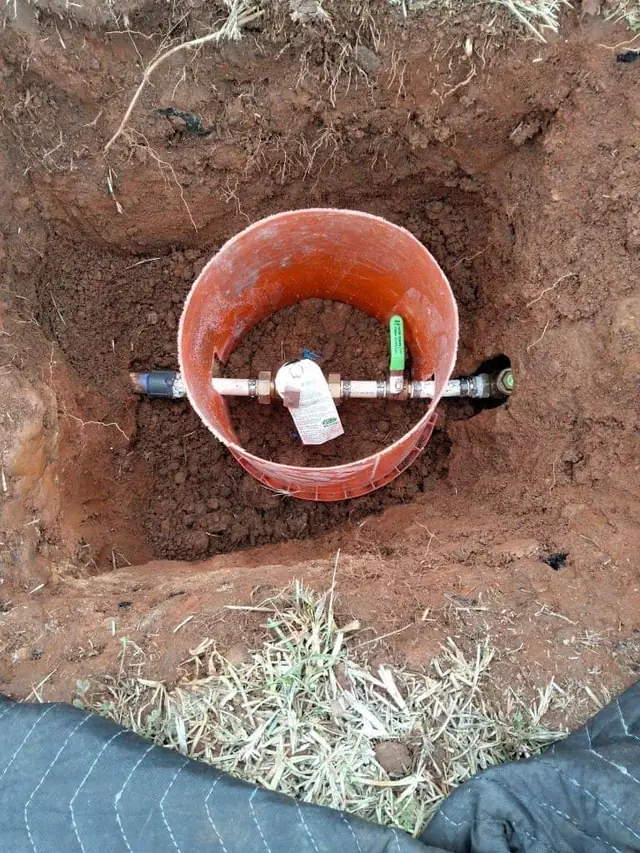
A dripping faucet gets fixed because you can hear it. A leak inside a wall, under a slab, or in a buried water line can run for months because nothing about it is obvious. By the time water shows up on a floor, the damage has often been spreading out of sight for a long time. The good news is that hidden leaks leave clues, and most of them can be spotted by an attentive homeowner before they turn into a repair that involves demolition.
A water bill that climbs without a reason
A bill that goes up when your household habits have not changed is one of the most reliable early signs. Compare it with the same months in earlier years rather than last month alone, since summer watering and guests change usage honestly. If the number keeps rising and nothing explains it, water is going somewhere.
You can test this yourself with the water meter. Shut off every fixture in the house, make sure the washing machine, dishwasher and ice maker are not running, and look at the meter. Most meters have a small low-flow indicator, often a little dial or triangle, that spins when any water is moving. If it turns with everything off, water is leaving your system through a leak. Note the reading, wait an hour without using water, and read it again. A changed number confirms it.
Toilets are the most common silent culprit. A flapper that does not seal lets water trickle into the bowl all day with barely a sound. A few drops of food coloring in the tank, left for fifteen minutes without flushing, will show color in the bowl if the flapper is leaking.
What the house itself can tell you
Bubbling or peeling paint, especially on a wall that has no window or exterior exposure, suggests moisture is pushing outward from inside the wall. Stains that appear on a ceiling and slowly grow, a musty smell in a closet or cabinet, and drywall that feels cool or damp to the touch all deserve a look. A baseboard that swells or separates, or a vinyl or laminate floor that begins to cup or lift at the seams, points to moisture below the surface.
A floor that feels soft or springy underfoot is a more serious sign. Subfloor material that stays wet loses its strength. On a slab foundation, warm spots on the floor, or hairline cracks that seem to appear without cause, can sometimes point to a leak in a line beneath the concrete, since a hot-water line leaking under a slab can warm the floor above it.
Then there is sound. If you stand in a quiet house at night, with everything off, and hear the faint sound of running or hissing water, take it seriously. Put your ear against a wall near the water heater or the main line. A steady sound with nothing running is not the house settling.
- A water bill that rises with no change in household use
- Bubbling or peeling paint on interior walls
- Ceiling or wall stains that slowly grow
- Soft, spongy or warm spots in the floor
- The sound of running water when every fixture is off
- Musty odors or visible mold where no moisture source is obvious
How electronic leak detection works
The old way to find a hidden leak was to cut into the wall or break up the floor where you thought the water was, and sometimes guess wrong more than once. Electronic leak detection replaces the guessing. A technician isolates the lines, confirms which part of the system is losing water, and then uses sensitive listening equipment and moisture sensing to pinpoint the spot. Pressurized pipes make a distinctive sound where they leak, and the equipment hears it through floors and walls, and moisture readings narrow it down further.
The result is that the repair opens a small area instead of a large one. A leak found within a few inches means a small access hole in a wall, or a limited cut in a slab, instead of tearing out a hallway of flooring. It also helps establish what you are dealing with. A single failed fitting in an accessible spot is a very different job from a line under a slab that needs to be rerouted or replaced.
What to do while you wait for an appointment
If you suspect a leak but see no active water, take photos of the signs and write down the dates, meter readings and any changes in your water bill. If you can narrow it down, shutting off the water to the suspected area keeps the damage from growing. If you cannot, shutting off the main when you leave for a trip is a reasonable habit.
Water damage from a hidden leak can fall under homeowners insurance depending on your policy and the cause, so keep your documentation in one place. All About Plumbing SC works with homeowners insurance claims, offers free on-the-spot estimates, and does not start any work until you approve it.
To have a suspected slab or in-wall leak located without opening up the house, call (864) 436-3006 or read about /services/leak-detection.
All About Plumbing SC, (864) 436-3006
Call (864) 436-3006More articles
A Burst Pipe in Your House: The First Ten Minutes
The order you act in matters more than how fast you clean up, and most of it can be done before a plumber arrives.
How to Flush a Tank Water Heater, and When to Leave It Alone
Sediment shortens the life of a tank heater. Flushing helps, as long as the unit is in shape to be flushed.